Road safety in the city of Yaoundé
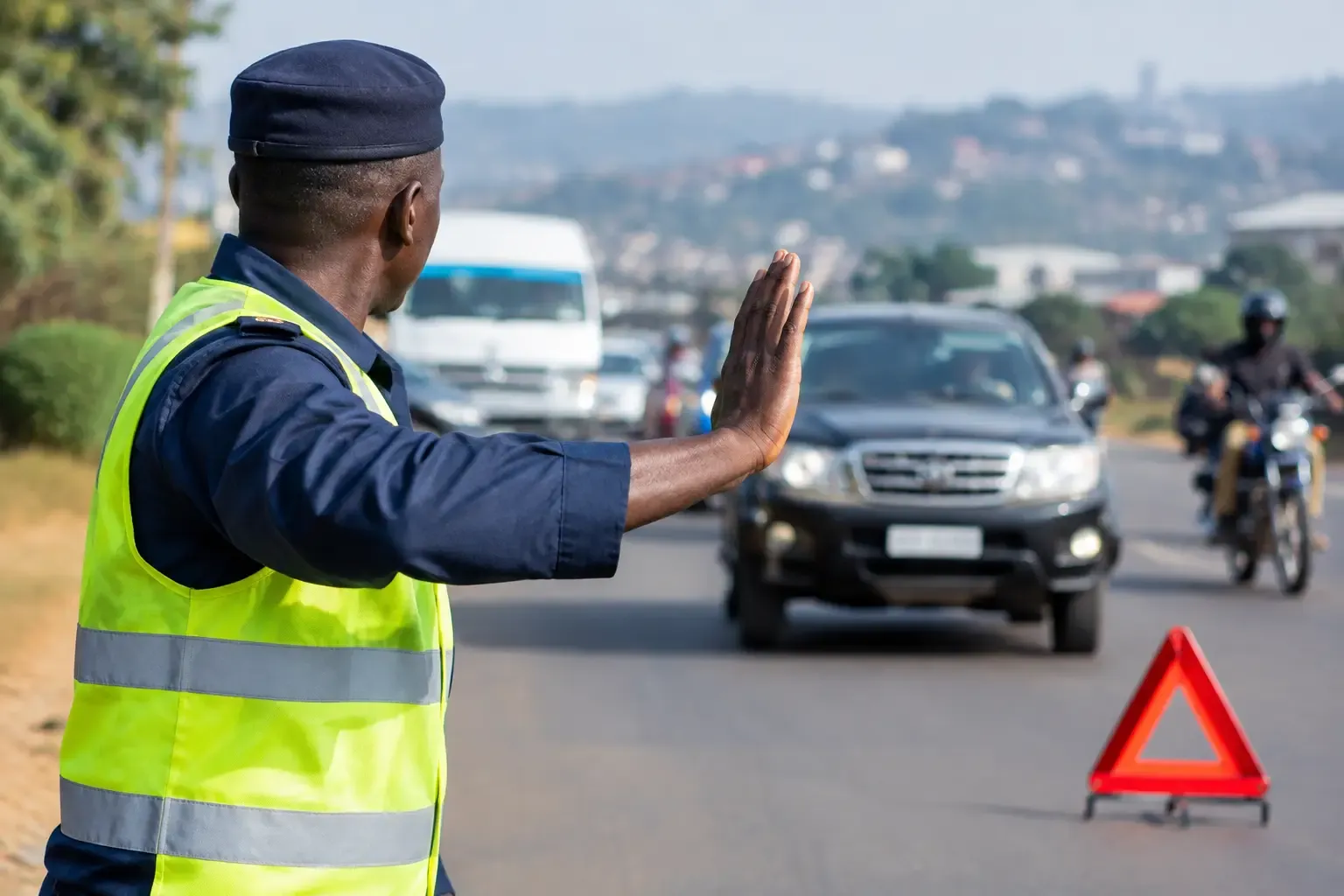
Looking at the transport sector in Cameroon, one is reminded of an old truck that has lost its brakes while descending a hill. Official data indicate that more than 16,000 accidents occur on Cameroonian roads every year, leaving thousands dead or injured in their wake. The blame lies with dilapidated infrastructure—with unpaved roads accounting for over 70% of the network in major cities like Yaoundé—and a high degree of informality, exemplified by motorcycle taxis, which handle nearly 40% of urban mobility while showing a complete disregard for traffic laws. Compounding this is the difficulty in identifying and tracking drivers. Furthermore, the numerous transport unions—ostensibly created to educate their members—are almost entirely driven by political agendas, steered by malicious actors lurking in the shadows. Some elected officials engage in self-promotion, handing out high-visibility vests while turning a blind eye to the fact that many drivers of these "death traps" are under the influence of drugs or other psychotropic substances. This is mirrored by the prevalence of illicit, "under-the-table" transport operations, which thrive alongside the so-called "security" checkpoints that seem to multiply daily on what remains—or what one might still loosely call—"roads." From start to finish, Cameroon’s transport sector is mired in amateurism and corruption, much to the detriment of the general public.